
Category: Virtual Reality, 3D Environment, Immersive Experience
Tools Used: Blender, Unity, Adobe Photoshop, After Effects, VR Development Tools
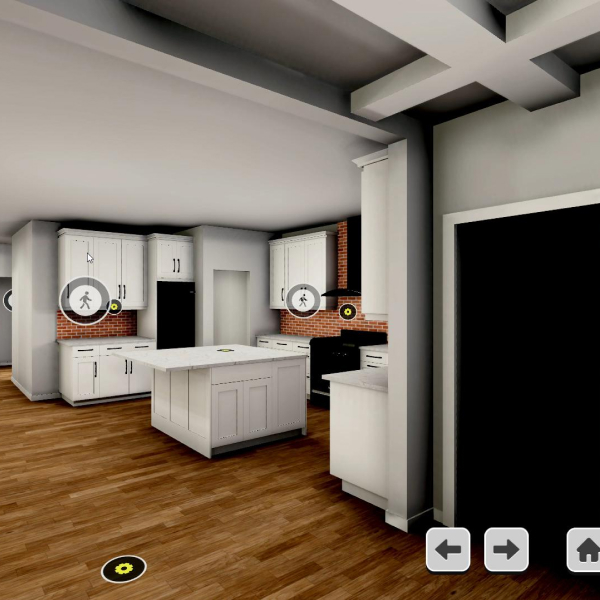
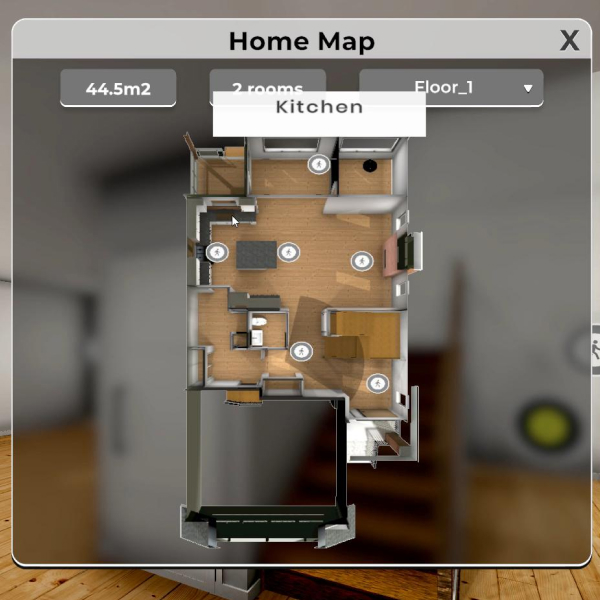
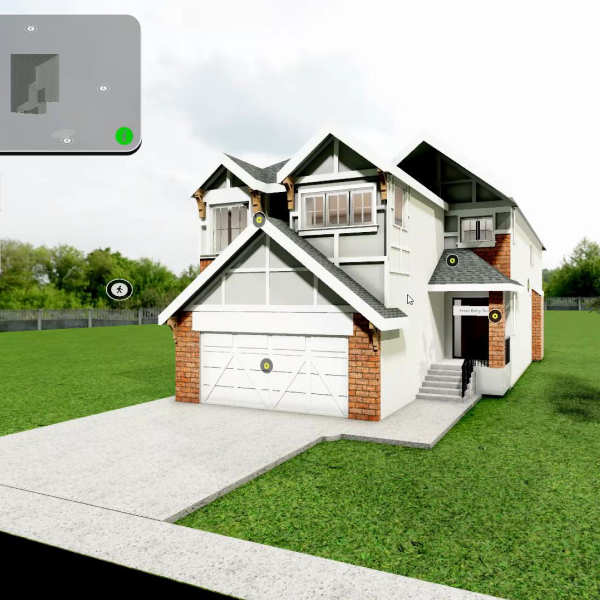
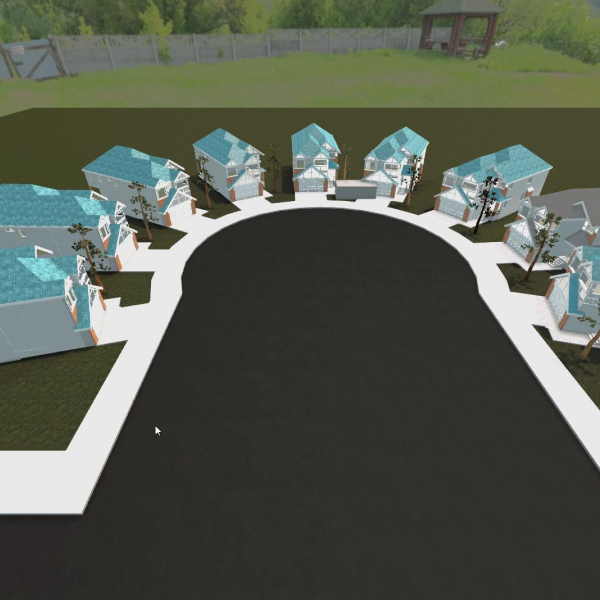
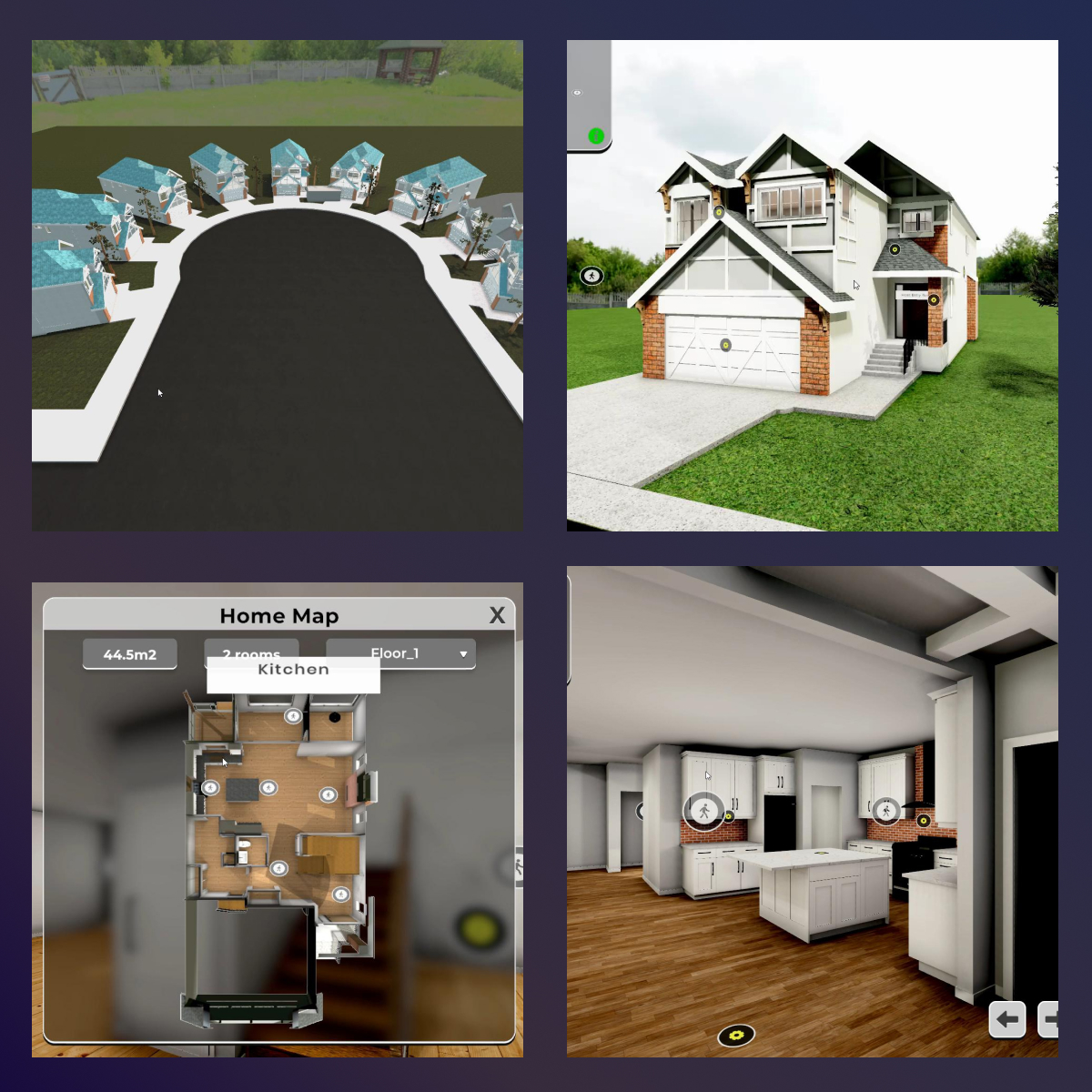
The Virtual Reality House is a real-time 3D virtual reality demonstration of a modern interior of a dwelling, with each living space having its own furnishings, and a verifiable amount of time within each area is accounted for in the creation. The use of modular geometry created with Blender allows for the development of the environment using as close to realistic surfaces and lighting through materials developed by PBR from Substance Painter. The whole built environment has been optimized in Unity to reproduce a graphic and flowing VR experience when using VR and has the intended purpose of being used for either architectural visualization or guided walkthrough-style experiences.
- Using Blender, I built a fully detailed digital 3D (three-dimensional) representation of a contemporary residential home, building and constructing each room and hallway using modular architectural components such as walls, floor, ceilings, windows and doorways while maintaining clean geometry and optimal polygon counts for providing maximum flexibility in order to be able to create a very real-looking environment for real-time VR use.
- Developed high-fidelity Physically Based Rendering (PBR) materials created in Substance Painter primarily to reproduce real-world surfaces found in contemporary interior spaces such as real hardwood floors, painted drywall, ceramic tile, glass, and metal accessories. Developed each PBR material with realistic surface characteristics, including a very realistic amount of wear, accumulation of dust, and varying degrees of reflection.